High fiber, high protein foods: a USDA table of what delivers both
Which foods are high in both fiber and protein? A table of lentils, beans, edamame, seeds and nuts with grams per portion from USDA FoodData Central.
Short answer
Legumes are the best everyday source of both. By USDA values, a cooked cup of lentils has 17.9 g of protein and 15.6 g of fiber, black beans 15.2 g and 15.0 g, chickpeas 14.5 g and 12.5 g, and edamame 18.4 g and 8.1 g. Among nuts and seeds, chia gives 9.8 g of fiber and 4.7 g of protein per ounce, and pumpkin seeds 8.6 g of protein and 1.7 g of fiber. Tofu is protein-heavy with 2.9 g of fiber per half cup.
Key takeaways
- A cooked cup of lentils has 17.9 g protein and 15.6 g fiber. Black beans, chickpeas and edamame sit in the same range.
- Per ounce, chia gives the most fiber (9.8 g), pumpkin seeds the most protein (8.6 g). Almonds are the balanced option (6.0 g and 3.5 g).
- Tofu (21.8 g protein, 2.9 g fiber per half cup) is high in protein and modest in fiber.
- The Lancet analysis linked the highest fiber intakes to the lowest risk of several chronic diseases, with the largest benefit at 25 to 29 g a day.
- Beans are the foods most likely to cause gas at first. The DGE advises raising fiber slowly and drinking enough.
If you want fiber and protein on the same plate, the short list is legumes, a few seeds and nuts, and a couple of soy foods. Below is the table, with grams per portion rather than per 100 g, so you can read it the way you eat.
Which foods are high in both fiber and protein?
All values are USDA FoodData Central.1 Portions are the database’s own gram weights, except oats, where 40 g is a typical dry bowl and is calculated from the per 100 g values.
| Food | Portion | Protein | Fiber |
|---|---|---|---|
| Lentils, cooked | 1 cup (198 g) | 17.9 g | 15.6 g |
| Black beans, cooked | 1 cup (172 g) | 15.2 g | 15.0 g |
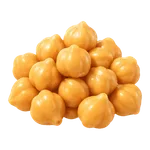
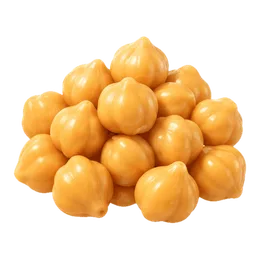
| Chickpeas, cooked | 1 cup (164 g) | 14.5 g | 12.5 g |
| Edamame, frozen, prepared | 1 cup (155 g) | 18.4 g | 8.1 g |
| Quinoa, cooked | 1 cup (185 g) | 8.1 g | 5.2 g |
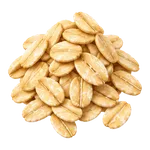
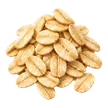
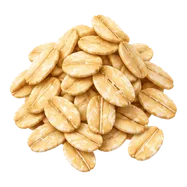
| Oats, dry | 40 g | 5.3 g | 4.0 g |
| Tofu, firm | ½ cup (126 g) | 21.8 g | 2.9 g |
| Chia seeds | 1 oz (28.35 g) | 4.7 g | 9.8 g |
| Pumpkin seeds | 1 oz (28.35 g) | 8.6 g | 1.7 g |
| Almonds | 1 oz (28.35 g) | 6.0 g | 3.5 g |
| Pistachios | 1 oz (28.35 g) | 5.7 g | 3.0 g |
| Peanuts, raw | 1 oz (28.35 g) | 7.3 g | 2.4 g |
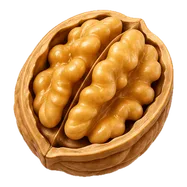
| Walnuts | 1 oz (28.35 g) | 4.3 g | 1.9 g |
| Hemp seeds, hulled | 3 tbsp (30 g) | 9.5 g | 1.2 g |
Portion values are the per 100 g figure multiplied by the gram weight, rounded to one decimal. Hemp’s fiber value comes with a wide range in the database (2 to 6 g per 100 g), so read it as approximate. Tempeh has 33.7 g of protein per cup (166 g), but the entry reports no fiber value, so it is left out of the ranking.1
Why are legumes at the top?
They carry both numbers in one food. A cup of cooked lentils holds 17.9 g of protein and 15.6 g of fiber, which is why legumes keep showing up in fiber guides. That cup is about half of the 30 g daily reference value the DGE uses.3 The Lancet analysis linked the highest fiber intakes to roughly 15 to 30% lower risk of all-cause and cardiovascular mortality, coronary heart disease, stroke, type 2 diabetes and colorectal cancer, with the greatest benefit between 25 and 29 g a day.2
Which seeds and nuts add the most?
It depends which number you want. Chia is the fiber pick, with 9.8 g per ounce and 4.7 g of protein. Pumpkin seeds are the protein pick, with 8.6 g of protein and 1.7 g of fiber. Almonds and pistachios sit in the middle at 6.0 g and 3.5 g and 5.7 g and 3.0 g.1 Sprinkle rather than scoop: a tablespoon changes the totals, an ounce changes them a lot.
Where does tofu fit?
Tofu is a protein food first, with 21.8 g per half cup, and a minor fiber food at 2.9 g. It pairs well with something that fills the fiber side, such as a bean salad, edamame or a plate of vegetables.1
What does a plate that covers both look like?
Three examples, each the sum of the rounded rows in the table above:
- Lentil soup (1 cup lentils) plus a handful of pumpkin seeds: about 26.5 g of protein and 17.3 g of fiber.
- Oat bowl (40 g) with 1 oz chia and 1 oz almonds: about 16.0 g of protein and 17.3 g of fiber.
- Edamame (1 cup) with 1 cup cooked quinoa: about 26.5 g of protein and 13.3 g of fiber.
These are sums of the USDA values, not lab measurements of the finished dish. Canned beans and packaged products differ, so check the label.
Will this give me gas?
Beans can, especially if your usual intake is low. The DGE advises people who are not used to a high fiber intake to increase it slowly, and to drink enough because whole grain fiber binds water.3 The bloating guide lays out a week-by-week ramp, and the psyllium article covers fiber supplements if food alone is not an option. If you have a diagnosed bowel condition such as IBS, check the IBS diet guide first, since the advice about legumes differs.
Good to know
If you have kidney disease or another condition with a protein or fiber limit, follow your care team’s targets and not a general table.
Frequently asked questions
What foods are high in both fiber and protein?
Lentils, black beans, chickpeas and edamame lead the list. A cooked cup of lentils has 17.9 g of protein and 15.6 g of fiber by USDA values. Seeds and nuts such as chia, pumpkin seeds, almonds and pistachios also contribute both, in smaller portions.
Is there a food with fiber and protein that is easy to eat daily?
Oats are the easiest. A 40 g bowl of dry oats has 5.3 g of protein and 4.0 g of fiber, calculated from USDA values. Stir in a spoonful of chia or pumpkin seeds and both numbers rise.
Does tofu have fiber?
A little. Firm tofu made with calcium sulfate has 2.3 g of fiber per 100 g, or 2.9 g per half cup (126 g), with 21.8 g of protein. It pairs well with a high-fiber side such as beans or vegetables.
Is it hard to get fiber and protein from plants?
Not with legumes in the mix. A cup of cooked lentils delivers about half of the 30 g daily fiber reference used in Germany and more than half of the 25 to 29 g range where the largest benefits showed up in the Lancet analysis, plus 17.9 g of protein.
Will beans make me gassy?
They can at first. Increase the amount gradually and drink enough. The bloating guide has a week-by-week ramp.
Sources
Figures, study results and official recommendations in this article come from these sources. Everyday cooking and shopping tips are our own judgment.
- U.S. Department of Agriculture, Agricultural Research Service. FoodData Central, SR Legacy: lentils, cooked (172421); black beans, cooked (173735); chickpeas, cooked (173757); edamame, frozen, prepared (168411); quinoa, cooked (168917); tofu, raw, firm, calcium sulfate (172475); tempeh (174272); chia seeds, dried (170554); hemp seed, hulled (170148); pumpkin and squash seed kernels, dried (170556); almonds (170567); pistachio nuts, raw (170184); peanuts, raw (172430); walnuts (170187); oats (173904). Values per 100 g and portion gram weights from the database. fdc.nal.usda.gov
- Reynolds A, et al. Carbohydrate quality and human health: a series of systematic reviews and meta-analyses. The Lancet. 2019;393(10170):434-445. doi.org
- Deutsche Gesellschaft für Ernährung (DGE). Ausgewählte Fragen und Antworten zu Ballaststoffen. November 2021 (30 g reference; increase slowly; drink enough). dge.de
This article is general information, not medical advice. If you have ongoing digestive symptoms, a diagnosed condition like IBS or IBD, or you are pregnant, talk to a doctor or registered dietitian before changing your diet.
Feel better from the inside out.
Snap a meal to see fiber in grams, your plants this week and a gut score from 0 to 100.
Download on the App Store