IBS diet: what guidelines recommend, the low FODMAP diet step by step, and foods to limit
The IBS diet according to ACG, BSG and Monash guidance: first steps, the low FODMAP diet in three phases, foods to limit and when a doctor comes first.
Short answer
See a doctor first, because IBS symptoms overlap with celiac disease, inflammatory bowel disease and bowel cancer. For diagnosed IBS, UK guidance starts with simple changes: regular meals, less alcohol and caffeine, fewer fatty and spicy foods, and soluble fiber built up slowly. The low FODMAP diet is a second step, a structured trial of 2 to 6 weeks of restriction followed by reintroduction, ideally with a dietitian. The US guideline rates its evidence as very low quality, and it manages symptoms but does not cure IBS.
Key takeaways
- Do not start an IBS diet without a diagnosis. Monash says that if a doctor has not diagnosed your symptoms, you should not follow the low FODMAP diet.
- The American College of Gastroenterology recommends a limited trial of the low FODMAP diet, as a conditional recommendation based on very low quality evidence.
- The British Society of Gastroenterology puts the low FODMAP diet in second place, supervised by a trained dietitian, after general dietary advice.
- Restriction is short. Monash describes 2 to 6 weeks, then challenges one FODMAP group for 3 days at a time, then a personalized long-term diet.
- Soluble fiber is the fiber to use. The ACG makes a strong recommendation for soluble, not insoluble, fiber. The BSG advises starting at 3 to 4 g a day.
- Blood in your stool, unexplained weight loss or a hard lump in your abdomen need urgent medical attention, not a diet.
Monash University, which created the low FODMAP diet, tells people not to follow it unless a doctor has diagnosed their symptoms.5 The guidelines lay out a sequence: diagnosis, then general dietary changes, then the low FODMAP diet as a structured trial, then an end point for the restriction. This page follows that order.
Do I need a diagnosis before changing my diet?
Yes. IBS has no single test, and the NHS says a doctor may order tests to rule out other causes, including a blood test for celiac disease and a stool sample to check for infection and inflammatory bowel disease.8 Monash adds that you should not self-diagnose IBS, because celiac disease, IBD, endometriosis and bowel cancer need to be ruled out first.5
The NHS says to see a doctor if you think you have IBS and symptoms have lasted beyond four weeks. It advises asking for an urgent appointment or calling NHS 111 if you have lost a lot of weight for no reason, have rectal bleeding or have bloody diarrhea, find a hard lump or swelling in your belly, or have shortness of breath, palpitations and unusually pale skin.7
What do guidelines recommend first?
Not the strict diet. The BSG describes first-line advice based on NICE and British Dietetic Association guidance: regular meals, adequate nutrition, limited alcohol and caffeine, adjusted fiber intake, and fewer fatty and spicy foods.2 A UK consensus panel agrees that traditional dietary advice is an appropriate first-line approach, and notes that studies found no clear superiority of traditional advice, a gluten-free diet or a low FODMAP diet at short-term follow-up.3
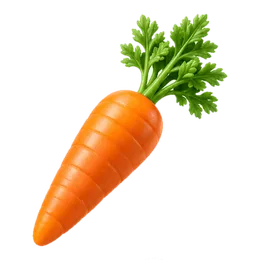
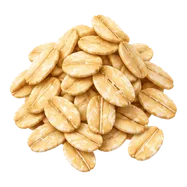
Fiber is the one place to be exact. The ACG makes a strong recommendation, based on moderate quality evidence, for soluble but not insoluble fiber.1 The BSG advises starting soluble fiber at 3 to 4 g a day and building up as tolerated, to a total of 20 to 30 g a day, because it increases the water content of stool.2 The NHS lists oats, legumes, carrots, peeled potatoes and flaxseed (linseed) as soluble fiber sources for constipation, and suggests cutting down on high-fiber whole grain foods, nuts and seeds if diarrhea is the main problem.9 The psyllium husk guide covers the most-studied supplement, and the ramp-up plan shows how to raise fiber without a rough week.
What is the low FODMAP diet?
FODMAPs are fermentable carbohydrates that are poorly absorbed in the small intestine and then fermented by gut bacteria, producing gas.5 Monash lists the groups:
| Group | Main source |
|---|---|
| Oligosaccharides (fructans, GOS) | Wheat, rye, onions, garlic, legumes |
| Disaccharides (lactose) | Milk, soft cheese, yogurt |
| Monosaccharides (excess fructose) | Honey, apples |
| Polyols (sorbitol, mannitol) | Some fruits and vegetables, sweeteners |
The diet has three steps. In step 1 you swap high FODMAP foods for low ones for 2 to 6 weeks. If symptoms improve, step 2 starts: you keep the diet and run FODMAP challenges, eating a food rich in one FODMAP group daily for 3 days and tracking symptoms. In step 3 you relax restrictions as far as you can and settle on a personalized long-term diet.4 The UK consensus gives somewhat longer windows, restriction over 4 to 8 weeks and reintroduction over about 6 to 10 weeks.3 Plan with your dietitian rather than from a single number.
Which foods are high and which are low?
A sample from the Monash tables:6
| Food type | Higher FODMAP | Lower FODMAP |
|---|---|---|
| Vegetables | Garlic, onion, leek, mushrooms, artichoke, green peas | Carrot, cucumber, lettuce, potato, green beans, eggplant |
| Fruit | Apples, pears, cherries, mango, peaches, plums, watermelon | Kiwifruit, blueberry, orange, mandarin, pineapple |
| Dairy | Cow’s milk, yogurt, ice cream | Lactose-free milk, hard cheeses, feta, almond milk |
| Protein | Most legumes, some processed meats | Eggs, firm tofu, plain cooked meat or fish, tempeh |
| Grains | Wheat, rye or barley breads and cereals | Oats, quinoa, rice or corn pasta, sourdough spelt bread |
| Nuts and seeds | Cashews, pistachios | Walnuts, peanuts, macadamias, pumpkin seeds |
Portion size changes the category for many foods, and the Monash app rates foods with a traffic light system.6 This table is a starting point, not a diet plan.
Does the low FODMAP diet work?
For some people, yes, and the evidence is weaker than the reputation. Monash reports that symptoms improve in 3 of 4 people who follow the diet, and that about 1 in 4 do not improve.5 The ACG recommends only a limited trial and rates it a conditional recommendation with very low quality evidence. It also notes that the diet needs proper instruction in all three phases.1 The BSG says the diet is best treated as a second-line option supervised by a trained dietitian, and warns that the diet may reduce Bifidobacteria and total bacterial count.2 The UK consensus calls the effect on the microbiome unclear and says dietary therapy should ideally be delivered by a dietitian to prevent nutritional inadequacy.3 The diet does not cure IBS, Monash says. It helps people live more comfortably with it.5
What foods should I avoid with IBS?
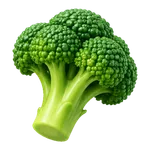
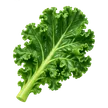
No universal list exists, so use the NHS suggestions as a place to test, not a rule. The NHS advises a food and symptom diary and to avoid your own triggers. Foods that are hard to digest, such as cabbage, broccoli, cauliflower, Brussels sprouts, beans and onions, can set symptoms off. It also advises limiting fatty, spicy or processed foods, more than 3 portions of fresh fruit a day, more than 3 caffeinated drinks a day, alcohol, fizzy drinks and products with sorbitol.9 If your diet is already narrow, or you need to avoid many foods, the NHS says a doctor may refer you to a dietitian.9 And the BSG does not recommend a gluten-free diet for IBS.2
Symptoms a diet will not fix
You are losing weight without trying, see blood in your stool or have bloody diarrhea, find a hard lump or swelling in your belly, or your symptoms have lasted beyond four weeks and have never been checked. Do not start a restrictive diet on your own, and do not stay on one longer than your dietitian or doctor advises.
Frequently asked questions
What foods should you avoid with IBS?
There is no list that fits everyone. The NHS suggests keeping a food diary and says foods that are hard to digest, such as cabbage, broccoli, cauliflower, Brussels sprouts, beans and onions, may trigger symptoms. It also advises limiting fatty, spicy and processed foods, more than three portions of fresh fruit a day, more than three caffeinated drinks, alcohol, fizzy drinks and sorbitol sweeteners. Your own triggers matter more than any list.
Is the low FODMAP diet forever?
No. Monash describes it as a short restriction phase of 2 to 6 weeks, followed by reintroduction and a personalized long-term diet in which you eat as many FODMAPs as you tolerate. It was not designed as a permanent way of eating.
How long does the low FODMAP diet take to work?
The ACG guideline says responders can usually be identified within 2 to 6 weeks. If symptoms have not improved after the strict phase, ask your dietitian or doctor what to do next, rather than staying restricted.
Is fiber good or bad for IBS?
It depends on the type. The ACG makes a strong recommendation for soluble fiber, such as psyllium, and against insoluble fiber such as bran. The BSG advises starting soluble fiber at 3 to 4 g a day and building up to a total of 20 to 30 g a day as tolerated, to avoid bloating.
Should I go gluten-free for IBS?
The BSG does not recommend a gluten-free diet for IBS, with a weak recommendation and very low quality evidence. Some people report benefit, and the guideline notes this may come mainly from eating fewer fructans, which are FODMAPs found in wheat, rather than from avoiding gluten. If you suspect celiac disease, get tested before cutting out gluten.
Do probiotics help IBS?
The NHS suggests trying a probiotic for a month, since they may help symptoms linked to changes in gut bacteria. The BSG gives a weak recommendation, based on very low quality evidence, that people who wish to try them can do so and stop if there is no improvement.
Sources
Figures, study results and official recommendations in this article come from these sources. Everyday cooking and shopping tips are our own judgment.
- Lacy BE, Pimentel M, Brenner DM, et al. ACG clinical guideline: management of irritable bowel syndrome. American Journal of Gastroenterology. 2021;116(1):17-44. pubmed.ncbi.nlm.nih.gov
- Vasant DH, Paine PA, Black CJ, et al. British Society of Gastroenterology guidelines on the management of irritable bowel syndrome. Gut. 2021 (first published April 26, 2021). doi.org
- Rej A, Avery A, Aziz I, et al. Diet and irritable bowel syndrome: an update from a UK consensus meeting. BMC Medicine. 2022;20:287. pmc.ncbi.nlm.nih.gov
- Monash University FODMAP. Starting the low FODMAP diet. monashfodmap.com
- Monash University FODMAP. About FODMAP and IBS. monashfodmap.com
- Monash University FODMAP. High and low FODMAP foods. monashfodmap.com
- NHS. Irritable bowel syndrome (IBS): symptoms. nhs.uk
- NHS. Irritable bowel syndrome (IBS): diagnosis. nhs.uk
- NHS. Irritable bowel syndrome (IBS): diet, lifestyle and medicines. nhs.uk
This article is general information, not medical advice. If you have ongoing digestive symptoms, a diagnosed condition like IBS or IBD, or you are pregnant, talk to a doctor or registered dietitian before changing your diet.
Feel better from the inside out.
Snap a meal to see fiber in grams, your plants this week and a gut score from 0 to 100.
Download on the App Store