30 plants a week: where the number comes from, what counts, and a list
Where the 30 plants a week target comes from, what the study can and cannot show, what counts as a plant, and a list of 120+ ideas to reach it.
Short answer
The 30 plants a week target comes from the American Gut Project, a citizen-science study of more than 10,000 people. In its microbiome comparisons, people who ate more than 30 types of plants a week differed from people who ate 10 or fewer. In the stool-chemistry comparison the two groups were small, 42 and 43 people. It is an observational finding, so 30 is a useful goal, not a proven threshold. Vegetables, fruit, legumes, whole grains, nuts, seeds, herbs and spices all count once per week.
Key takeaways
- The target comes from the American Gut Project (mSystems, 2018), which compared people eating more than 30 plant types a week with people eating 10 or fewer. In the stool-chemistry comparison, the high-variety group had 42 people and the low-variety group 43.
- The authors found plant variety explained microbiome differences better than labels like vegan or omnivore.
- It is an association. No trial has shown that reaching 30 changes health.
- Neither the study nor the project page defines exactly what counts. The counting rules below are our convention.
- Thirty a week is about four new plants a day. One ordinary day can hold 15, so the target is less heroic than it sounds.
Here is one ordinary Tuesday, counted.
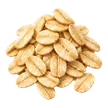
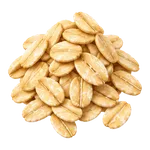
- Breakfast: oats, blueberries, walnuts, ground flaxseed, cinnamon. That is 5.
- Lunch: a lentil salad with tomato, cucumber, red onion and parsley. 5 more.
- Snack: an apple and a few almonds. 2.
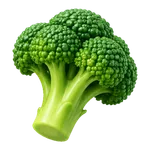
- Dinner: salmon with roasted broccoli and garlic, plus brown rice. The salmon is not a plant, so 3.
Total: 15 different plants in one day, and nothing exotic. Spread over a week, 30 comes to about four new plants a day, and a day like this one gives you 15 at once. The harder question is where the number comes from.
Where “30” comes from
The American Gut Project collected stool samples and diet questionnaires from more than 10,000 people, mostly in the US, UK and Australia. Its first major analysis appeared in mSystems in 2018.1 One question on the survey asked how many different plants a person ate in an average week. The researchers then compared the extremes: people answering “more than 30” against people answering 10 or fewer.
In those comparisons, the high-variety group had higher microbial diversity. Their samples contained more bacteria that ferment plant material into short-chain fatty acids, such as Faecalibacterium prausnitzii, and fewer genes for resistance to certain antibiotics. A subset of 219 samples, chosen from the extremes, also differed in stool chemistry; the plant-variety comparison there had 42 people in the high-variety group and 43 in the low-variety group.1 The authors noted that the number of plants explained more than veganism, which had little explanatory power.1,2
What this does and does not show
It is an observational study with self-reported diets, and the 30 versus 10 comparison used small extreme groups taken from a very large pool. It shows that variety and diversity travel together. It does not show that 30 is a cutoff or that adding plants causes the difference. The Microsetta project itself calls 30 a guideline, not a rigid threshold.2
Why variety plausibly matters
Different fibers and plant compounds are used by different microbes, and a review of fiber and prebiotics describes how the effect on the microbiota depends on the properties of each carbohydrate.6 A review of dietary diversity argues that a more varied diet goes with a more diverse and adaptable microbiome.3 In mice with a human microbiota, a low-fiber diet over several generations caused a progressive loss of diversity that did not come back when fiber returned.4 That is a mouse experiment, so take it as mechanism, not a forecast for you.
Processing seems to matter as well. In the PREDICT 1 study of 1,098 people, microbial species linked with favorable health markers overlapped with those linked to healthy, plant-based eating patterns.5 An apple and apple juice are different foods.
What counts as a plant
Each plant counts once per week, however often you eat it. Tomatoes on Monday and tomato sauce on Friday are one plant. The same goes for a plant in another form: grapes and raisins, plums and prunes, cabbage and sauerkraut, soybeans and tofu or tempeh all count once. Neither the study nor the Microsetta page spells out the rules, so these are ours.
Counts:
- Vegetables, fresh or frozen
- Fruit, fresh, frozen or dried without added sugar
- Legumes: beans, lentils, chickpeas, peas, edamame, peanuts
- Whole grains and pseudo-grains: oats, rye, barley, brown rice, quinoa, buckwheat, whole wheat
- Nuts and seeds, including nut butter with nothing added
- Herbs and spices, fresh or dried
We leave out:
- Refined grains: white flour, white bread, most white pasta and white rice
- Fruit juice and smoothies made mostly of juice
- Fried and ultra-processed foods, even if they started as a plant
- Sugar, syrups and refined oils
Olive oil, cocoa, coffee and tea are a judgment call. We do not count them in the example day above.
The list
You do not need exotic ingredients. This list is grouped the way most people shop.
| Group | Ideas |
|---|---|
| Vegetables | broccoli, cauliflower, kale, spinach, chard, arugula (rocket), lettuce, white cabbage, red cabbage, Brussels sprouts, leek, onion, red onion, scallions (spring onions), garlic, carrot, parsnip, beets (beetroot), celeriac, celery, fennel, cucumber, zucchini (courgette), eggplant (aubergine), bell pepper, tomato, mushrooms, sweet potato, potato, pumpkin, butternut squash, asparagus, artichoke, radish |
| Fruit | apple, pear, banana, orange, mandarin, lemon, lime, grapefruit, kiwi, mango, pineapple, papaya, grapes, cherries, plums, apricots, peaches, strawberries, raspberries, blueberries, blackberries, red currants, pomegranate, figs, dates, avocado, olives |
| Legumes | red lentils, green lentils, black beans, kidney beans, white beans, borlotti beans, chickpeas, peas, split peas, edamame, fava beans (broad beans), peanuts |
| Whole grains | oats, barley, rye, spelt, whole wheat, bulgur, freekeh, brown rice, wild rice, quinoa, buckwheat, millet, amaranth, popcorn |
| Nuts | almonds, walnuts, hazelnuts, cashews, pistachios, pecans, Brazil nuts, macadamias, pine nuts |
| Seeds | chia, flaxseed, pumpkin seeds, sunflower seeds, sesame, hemp seeds, poppy seeds |
| Herbs | parsley, cilantro (coriander leaf), basil, mint, dill, chives, rosemary, thyme, oregano, sage, tarragon |
| Spices | turmeric, cumin, paprika, cinnamon, ginger, black pepper, chili, coriander seed, fennel seed, cardamom, nutmeg, cloves, mustard seed |
Tick them off with the 30 plants checklist.
Three ways to add plants without adding effort
- Buy a mix once. A bag of mixed nuts with five kinds, or a frozen stir-fry blend with six vegetables, adds several plants to every meal it appears in.
- Put one handful of herbs on whatever you cook. Parsley, mint or cilantro costs nothing in effort and adds one plant per bunch.
- Cook one clear-the-fridge dish a week. A soup, curry or traybake takes six or seven vegetables without anyone noticing.
What a plant count leaves out
A sprig of thyme and a bowl of lentils both count as one plant. The number says nothing about how much fiber you ate, so check your grams too: the fiber chart has the numbers.
Frequently asked questions
Why 30 plants a week and not 5 a day?
“5 a day” counts portions of fruit and vegetables. “30 a week” counts different plants, which is variety instead of quantity. They are not rivals. The American Gut Project analysis is about variety, which is why the second number exists.
Do herbs and spices count?
We count them. They are plants and carry their own compounds. Whether they should is a convention: the Microsetta page does not say, and a pinch of cinnamon is a very different dose from a bowl of lentils. If you want a stricter count, leave them out and aim for 30 without them.
Does coffee count as a plant?
Coffee and tea come from plants, but the amount of plant material in a cup is tiny. Count them if it keeps you motivated. Do not let them stand in for whole plants.
Do red and white cabbage count separately?
There is no official rule. Clearly different varieties are reasonable to count separately. A new plant is a bigger win than a new color of the same plant.
Is 30 plants a week proven to help?
No. The American Gut Project is observational, so it cannot show that eating more plant types caused the differences. People who eat 30 plants may also exercise more, eat more fiber in total or earn more. Thirty is a goal that is easy to remember and pushes most people toward a wider diet.
Sources
Figures, study results and official recommendations in this article come from these sources. Everyday cooking and shopping tips are our own judgment.
- McDonald D, et al. American Gut: an open platform for citizen science microbiome research. mSystems. 2018;3(3):e00031-18. doi.org
- The Microsetta Initiative, UC San Diego. 30 plants per week. microsetta.ucsd.edu
- Heiman ML, Greenway FL. A healthy gastrointestinal microbiome is dependent on dietary diversity. Molecular Metabolism. 2016;5(5):317-320. doi.org
- Sonnenburg ED, et al. Diet-induced extinctions in the gut microbiota compound over generations. Nature. 2016;529(7585):212-215. doi.org
- Asnicar F, et al. Microbiome connections with host metabolism and habitual diet from 1,098 deeply phenotyped individuals. Nature Medicine. 2021;27(2):321-332. doi.org
- Holscher HD. Dietary fiber and prebiotics and the gastrointestinal microbiota. Gut Microbes. 2017;8(2):172-184. doi.org
This article is general information, not medical advice. If you have ongoing digestive symptoms, a diagnosed condition like IBS or IBD, or you are pregnant, talk to a doctor or registered dietitian before changing your diet.
Feel better from the inside out.
Snap a meal to see fiber in grams, your plants this week and a gut score from 0 to 100.
Download on the App Store