Resistant starch: how cooling potatoes, rice and oats changes fiber for your gut
Cooling cooked potatoes, rice or pasta turns part of their starch into resistant starch that feeds gut bacteria. What studies show and how to use it daily.


Short answer
Resistant starch is a type of starch that slips past digestion in your small intestine and reaches your colon intact, where gut bacteria ferment it into butyrate and other short-chain fatty acids. You get it naturally from slightly green bananas, legumes and raw oats, and you can also create more of it by cooking potatoes, rice or pasta and cooling them in the fridge for 12 to 24 hours. Gentle reheating keeps most of that newly formed resistant starch intact.
Key takeaways
- Cooking and then cooling starchy staples (potatoes, rice, pasta) reorganizes starch chains into a tighter structure called retrograded resistant starch (RS3).
- Gentle reheating does not erase the effect: leftover potato salad or reheated next-day rice still carries more resistant starch than freshly boiled starch.
- In the colon, resistant starch feeds butyrate-producing bacteria, a short-chain fatty acid that fuels the cells lining your gut wall.
- Start modestly if your gut is sensitive: resistant starch ferments quickly, so a big plate of cold potato salad on day one can cause extra gas.
Leftovers rarely get credit for being a health upgrade. Yet one of the most genuinely interesting quirks in nutrition science happens automatically inside a Tupperware box overnight.
When you boil potatoes, simmer brown rice or cook pasta and let them chill in the refrigerator, part of the starch physically rearranges itself. What was soft, fast-digesting starch on Tuesday evening becomes tighter and harder for your small intestine to break down by Wednesday lunch.2 Instead of turning straight into glucose, that portion travels down to your colon, where it acts like a prebiotic fiber.
What resistant starch actually does in your gut
Most starches break down rapidly in the upper digestive tract. Resistant starch skips that step and arrives intact in the large intestine, where beneficial bacteria ferment it into short-chain fatty acids, especially butyrate.2,3
Butyrate is the preferred fuel source for the cells lining your colon wall. Higher resistant-starch intake has been linked in human studies to increased butyrate production, shifts in beneficial microbial populations such as Ruminococcus bromii and Bifidobacterium, and steadier post-meal blood sugar.1,3
Four kinds of resistant starch (and where to find them)
Food scientists group resistant starch into types, and three of them live in completely ordinary supermarket staples:2,4
| Type | Where it lives | Everyday kitchen example |
|---|---|---|
| RS1 (physically trapped) | Whole grains, seeds, legumes | Cooked lentils, chickpeas, whole-grain rye bread |
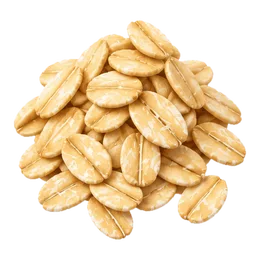
| RS2 (naturally raw) | Unripe fruit, raw oats | Slightly green bananas, overnight oats soaked cold |
| RS3 (cooked & cooled) | Chilled cooked starches | Next-day potato salad, leftover rice bowls, cold pasta salad |
In a well-known human trial, chilling cooked white rice at 4 °C for 24 hours and then gently reheating it more than doubled its resistant starch compared with freshly cooked rice and measurably lowered the post-meal blood-glucose spike.1
Four effortless ways to eat more resistant starch this week
You do not need special green-banana flour or expensive powders. Just cook one extra portion when you already have a pot on the stove.
Simple kitchen shifts
Boiling just enough potatoes for dinner
Boil double, chill half overnight for next-day potato salad or crisp pan-fries
Refrigerating for 12 to 24 hours triggers starch retrogradation (RS3).
Hot instant oatmeal every morning
Overnight oats soaked cold in kefir or milk
Uncooked rolled oats naturally retain RS2 alongside beta-glucan.
Spotty brown bananas only
Slightly green-tipped bananas sliced on yogurt
Resistant starch converts to simple sugar as bananas ripen.
Cooking fresh white rice for every stir-fry
Batch-cook brown rice Sunday, chill promptly, pan-crisp Monday
Better texture for fried rice anyway, plus more fermentable starch.
Food safety matters with cooked rice
Never leave cooked rice cooling on the kitchen counter for hours. Spores of Bacillus cereus can multiply at room temperature. Spread rice thinly on a tray or shallow container so it cools fast, put it in the fridge within one hour, and eat it within 24 to 48 hours.
A quick word on expectations and bloating
Resistant starch is not magic and does not make pasta “calorie-free.” Only a modest percentage of the starch converts on cooling.4 Still, combined with eating the skin on potatoes, switching to whole grains and adding legumes, it is one of the cheapest, most genuinely pleasant ways to feed butyrate-producing bacteria.
If your gut is not used to fermentable carbs, start with one small chilled side portion rather than a huge bowl of cold bean-and-potato salad on day one. For gentle pacing, see how to eat more fiber without bloating or explore our guide to prebiotic foods.
Frequently asked questions
Does reheating cooled potatoes or rice destroy resistant starch?
Not completely. Gentle reheating leaves a meaningful share of retrograded resistant starch intact. Studies testing cooled-and-reheated rice and potatoes consistently show higher resistant starch and smaller post-meal blood glucose spikes than freshly cooked hot batches.
How long do potatoes or rice need to cool to form resistant starch?
Most food-science trials cool cooked starch in the refrigerator for 12 to 24 hours at around 4 °C. Simply letting a pot sit on the counter for 20 minutes is not enough, and rice should always be chilled promptly for food safety.
Which everyday foods naturally have the most resistant starch without cooling?
Slightly green (underripe) bananas, soaked raw rolled oats (overnight oats), cooked legumes like lentils, chickpeas and black beans, and whole barley all bring natural resistant starch before you even open the fridge.
Does cooling potatoes make them zero-calorie?
No. That is a social-media exaggeration. Cooling converts only a fraction of digestible starch into resistant starch. Think of it as an effortless bonus for your gut microbes and blood-sugar steadiness, not a weight-loss hack.
Sources
Figures, study results and official recommendations in this article come from these sources. Everyday cooking and shopping tips are our own judgment.
- Sonia S, Witjaksono F, Ridwan R. Effect of cooling of cooked white rice on resistant starch content and glycemic response. Asia Pacific Journal of Clinical Nutrition. 2015;24(4):620-625. doi.org
- Birt DF, et al. Resistant starch: promise for improving human health. Advances in Nutrition. 2013;4(6):587-601. doi.org
- DeMartino P, Cockburn DW. Resistant starch: impact on the gut microbiome and health. Current Opinion in Biotechnology. 2020;61:66-71. doi.org
- Raigond P, Ezekiel R, Raigond B. Resistant starch in food: a review. Journal of the Science of Food and Agriculture. 2015;95(10):1968-1978. doi.org
This article is general information, not medical advice. If you have ongoing digestive symptoms, a diagnosed condition like IBS or IBD, or you are pregnant, talk to a doctor or registered dietitian before changing your diet.
Feel better from the inside out.
Snap a meal to see fiber in grams, your plants this week and a gut score from 0 to 100.