15 gut-friendly meals with real portion sizes (fiber grams and plant counts)
Fifteen practical, genuinely delicious gut-friendly meals across breakfast, lunch, dinner and snacks, each with exact USDA fiber grams and plant counts.
Short answer
A gut-friendly meal does not have to look like plain steamed broccoli. The best everyday plates combine three things your microbes actually use: real fiber in grams, several different plants for variety, and where it fits, a live fermented food like kefir, yogurt, miso or unpasteurized kimchi. Below are 15 normal, genuinely craveable meals across breakfast, lunch, dinner and snacks, each paired with its USDA fiber estimate and plant count.
Key takeaways
- Aim for 8 to 12 g of fiber and 3 to 6 distinct plants per main meal, and the rest of your day falls into place.
- Adding a fermented component (kefir, live yogurt, raw kimchi or unpasteurized sauerkraut) after cooking keeps live microbes intact.
- Healthy fats like extra-virgin olive oil, avocado, tahini and nuts add polyphenols and keep high-fiber plates satisfying.
- Mix and match any three meals from the lists below to land between 27 and 36 g of fiber with 10+ plants in one day.
Search “gut-friendly meals” online and half the results read like punishment: plain oatmeal with nothing on it, dry chicken breast next to sad zucchini, or a complicated 19-ingredient bowl that takes an hour on a weeknight.
Real gut-friendly food is supposed to taste like food you actually look forward to eating. What makes a plate work for your microbiome is simple: fiber grams from whole plants,1 several distinct plant foods for diversity,3 and whenever it fits naturally, a cold spoonful of something fermented.2
Here are 15 everyday meals grouped by time of day, with real portions and fiber numbers grounded in USDA FoodData Central.4
4 gut-friendly breakfasts (9 to 13 g fiber each)
Getting close to 10 g of fiber before 9 a.m. is the single easiest way to hit 30 g without thinking about it at night.
Breakfast · 5 to 10 min
Four mornings that carry a third of your day
- Idea 1
Raspberry kefir overnight oats
40 g rolled oats (4.0 g) soaked overnight in plain live-culture kefir, topped with ½ cup raspberries (62 g, 4.0 g), 1 tbsp ground flaxseed (7 g, 1.9 g) and chopped walnuts.
~10.5 g 4 plants - Idea 2
Avocado & soft-boiled egg whole-wheat toast with kraut
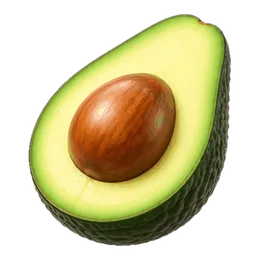
2 slices whole-wheat sourdough (64 g, 3.8 g), ½ mashed avocado (100 g, 6.7 g), 2 eggs, chili flakes and a cold forkful of raw unpasteurized sauerkraut.
~11.0 g 4 plants - Idea 3
Matcha chia & mango coconut parfait
½ oz chia seeds (14 g, 4.9 g) whisked with oat or dairy milk and matcha, layered with live coconut yogurt, diced mango, ½ cup blackberries (72 g, 3.8 g) and toasted almonds.
~11.5 g 5 plants - Idea 4
Warm savory oat bowl with spinach and mushrooms
40 g rolled oats (4.0 g) simmered in broth, topped with sautéed mushrooms, 60 g wilted spinach (1.3 g), 1 tbsp pumpkin seeds (0.9 g), a jammy egg and olive oil.
~9.0 g 5 plants
Live-culture tip: keep kefir, yogurt and raw sauerkraut cold so the active bacteria survive all the way to your spoon.
4 gut-friendly lunches (10 to 15 g fiber each)
Lunch is where most people default to white bread, plain rice or a thin salad. These four plates pack fast, hold up in a glass container and actually keep you full past 3 p.m.
Lunch · Desk & meal-prep friendly
Four midday plates without the afternoon crash
- Idea 5
Kimchi crispy rice & edamame bowl
100 g crisp pan-toasted brown rice (1.6 g), 100 g shelled edamame (5.2 g), ½ avocado (6.7 g), smashed cucumber, shredded purple cabbage, scallions, sesame and cold raw kimchi.
~15.0 g 7 plants - Idea 6
Warm lentil, roasted carrot & feta salad
150 g cooked lentils (11.9 g), 1 roasted carrot (1.7 g), handful of arugula, pumpkin seeds, olive oil, lemon juice and crumbled feta or goat cheese.
~14.5 g 5 plants - Idea 7
Miso Caesar shaved Brussels sprouts salad
150 g finely shaved Brussels sprouts and baby kale (~5.0 g), tahini-miso-lemon dressing, whole-wheat sourdough croutons, pine nuts and shaved Parmesan.
~10.0 g 6 plants - Idea 8
Crunchy chickpea & cucumber rye tartines
2 slices dense rye bread (64 g, 3.7 g), 82 g lightly mashed chickpeas (6.2 g) with yogurt, dill and lemon, topped with crisp cucumber slices and radish.
~10.5 g 5 plants
4 gut-friendly dinners (9 to 15 g fiber each)
Weeknight dinners that feel like something you would order at a neighborhood restaurant, built from normal supermarket staples in 20 minutes.
Dinner · 20 minutes
Four warm dinners that do not feel like diet food
- Idea 9
Harissa roasted chickpeas & charred broccolini over labneh
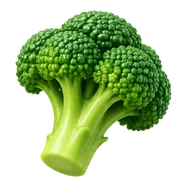
120 g crisp harissa chickpeas (9.1 g) and 120 g charred broccolini (~3.5 g) piled over cold whipped cultured labneh with pomegranate seeds, pistachios, dill and olive oil.
~14.0 g 7 plants - Idea 10
Smoky black bean & mango slaw tacos
2 to 3 corn or whole-grain tortillas, 100 g cumin black beans (8.7 g), diced mango, shredded purple cabbage, sliced radish, ¼ avocado (3.4 g), cilantro and lime yogurt.
~14.5 g 7 plants - Idea 11
Whole-wheat spaghetti with quick red lentil marinara
175 g cooked whole-wheat spaghetti (6.8 g) tossed with tomato-garlic sauce simmered with 80 g cooked lentils (6.3 g), fresh basil and extra-virgin olive oil.
~14.0 g 5 plants - Idea 12
Baked salmon with sweet potato, green peas & herb yogurt
Salmon fillet, 180 g baked sweet potato (5.9 g), 80 g green peas (4.4 g) tossed with mint and lemon, and a spoonful of plain live yogurt on the side.
~10.5 g 4 plants
3 gut-friendly snacks & sweet treats (4 to 7 g fiber each)
Snacks are where gut health usually gets forgotten. Each of these takes two minutes and pulls real weight for both fiber and polyphenols.
Snacks & treats · 2 minutes
Three snacks that feel like a treat
- Idea 13
Dark chocolate raspberry yogurt clusters
½ cup fresh raspberries (62 g, 4.0 g) folded into plain Greek yogurt, drizzled with 70% dark chocolate and crushed pistachios, chilled until crisp.
~5.5 g 3 plants - Idea 14
Warm spiced pear with walnuts and skyr
1 medium pear halved and warmed with cinnamon (178 g, 5.5 g), topped with a small handful of toasted walnuts and cold vanilla skyr or kefir cream.
~6.5 g 3 plants - Idea 15
Whole-grain crispbread with hummus and raw carrots
2 seeded rye crispbreads, 2 generous tbsp chickpea hummus and 1 medium carrot sliced into sticks (1.7 g).
~5.5 g 4 plants
Want to turn these plates into full structured days? See what 30 grams of fiber a day actually looks like, or mix your own portions in the fiber calculator.
Frequently asked questions
What makes a meal genuinely gut-friendly?
Three practical things backed by human research: meaningful dietary fiber (which feeds bacteria that produce short-chain fatty acids), multiple distinct plant foods for microbial diversity, and ideally a live fermented food or polyphenol-rich ingredient like berries, olive oil or herbs.
Should I cook fermented foods like kimchi or sauerkraut?
Cooking makes kimchi or sauerkraut delicious and keeps the fiber, but heat kills the live lactic-acid bacteria. If you want live cultures, add a spoonful cold on top of a warm bowl right before eating.
Can gut-friendly meals still be high in protein?
Yes. Pairing Greek yogurt or kefir with chia and berries, serving salmon or chicken over lentils and roasted vegetables, or building tofu and edamame grain bowls easily delivers 25 to 35 g of protein alongside 10+ g of fiber.
How many gut-friendly meals do I need per day to notice a difference?
Consistency beats perfection. In the Stanford fermented-food trial, participants ate fermented foods daily over a 10-week diet phase, and fiber benefits show up best when you stay near 25 to 30 g most days of the week.
Sources
Figures, study results and official recommendations in this article come from these sources. Everyday cooking and shopping tips are our own judgment.
- Reynolds A, et al. Carbohydrate quality and human health: a series of systematic reviews and meta-analyses. The Lancet. 2019;393(10170):434-445. doi.org
- Wastyk HC, et al. Gut-microbiota-targeted diets modulate human immune status. Cell. 2021;184(16):4137-4153. doi.org
- McDonald D, et al. American Gut: an open platform for citizen science microbiome research. mSystems. 2018;3(3):e00031-18. doi.org
- U.S. Department of Agriculture, Agricultural Research Service. FoodData Central, SR Legacy (April 2018). fdc.nal.usda.gov
This article is general information, not medical advice. If you have ongoing digestive symptoms, a diagnosed condition like IBS or IBD, or you are pregnant, talk to a doctor or registered dietitian before changing your diet.
Feel better from the inside out.
Snap a meal to see fiber in grams, your plants this week and a gut score from 0 to 100.